
Poultry house climate control, from minimum ventilation to tunnel cooling.
A poultry house needs one controller to stage fans, inlets, cooling and heating as the birds grow. HMY supplies the controller and the equipment around it, and calculates the fan count and layout from your house dimensions.
Four stages, one controller.
The controller moves the house from brooding to tunnel ventilation as the birds grow.
Brooding
Heating holds the target temperature while minimum ventilation brings in fresh air without chilling the chicks.
Minimum ventilation
Timed or staged fans and controlled inlet openings remove moisture and ammonia at low air volumes.
Transition
As the birds grow, more fans and wider inlet openings increase air exchange while the controller keeps the temperature stable.
Tunnel ventilation
High-airflow fans and cooling pads carry heat out of the house in hot weather, with alarms watching temperature and power.
What goes into a poultry house.
Every category below is selected against the same controller and the same house conditions.
Controller and sensors
Temperature and humidity inputs, fan and heater stages, alarms and optional remote monitoring.
Exhaust fans
Push-pull or double-door cone fans for minimum, transition and tunnel ventilation.
Cooling pads
Paper or plastic evaporative pads for the cooling stage, with frames and water connections.
Air inlets
Side-wall, ceiling, deflector and louver inlets for controlled air distribution.
Feed silos and feeding
Galvanized silos and feed lines sized to the number of birds and the house layout.
Water lines
Pressure regulators, main pipe, nipple drinkers and flushing components.
Heating
Hot-air heaters or heat exchanger radiators for brooding and cold periods.
Alarms and accessories
Alarm outputs, push-pull rods, gearboxes and motors matched to the fans and controller.
How we size the ventilation.
We work from the building and the birds, not from a standard fan count.
House dimensions
Length, width and height, and the number of houses on site.
Bird number and weight
Number of birds and the target market weight, or the stocking density you plan to use.
Target climate
Target temperature and the local summer and winter conditions the house has to handle.
Power and equipment
50 Hz or 60 Hz, available voltage, and any existing controller, fans or inlets you want to keep.
Real houses, real equipment.
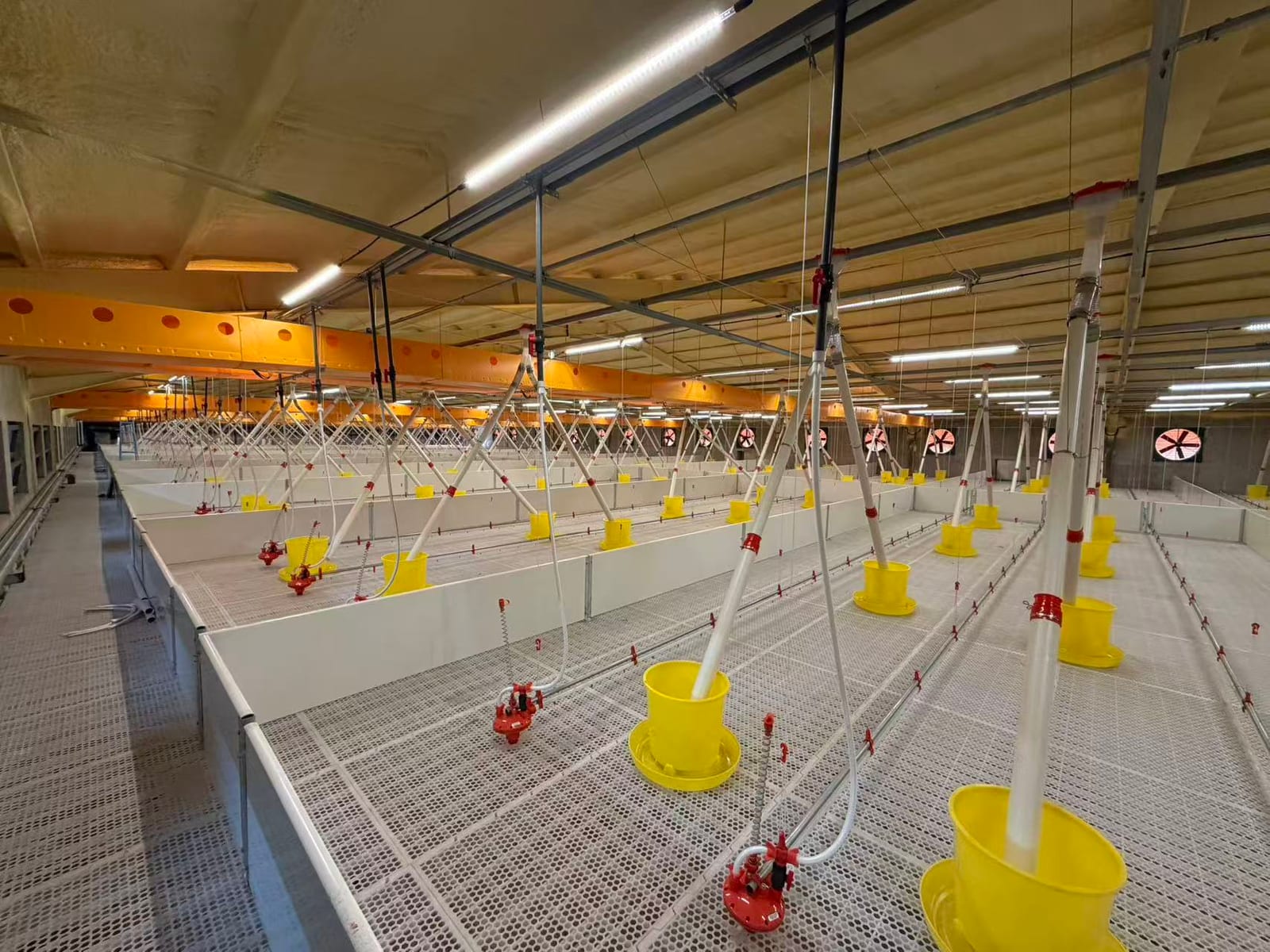
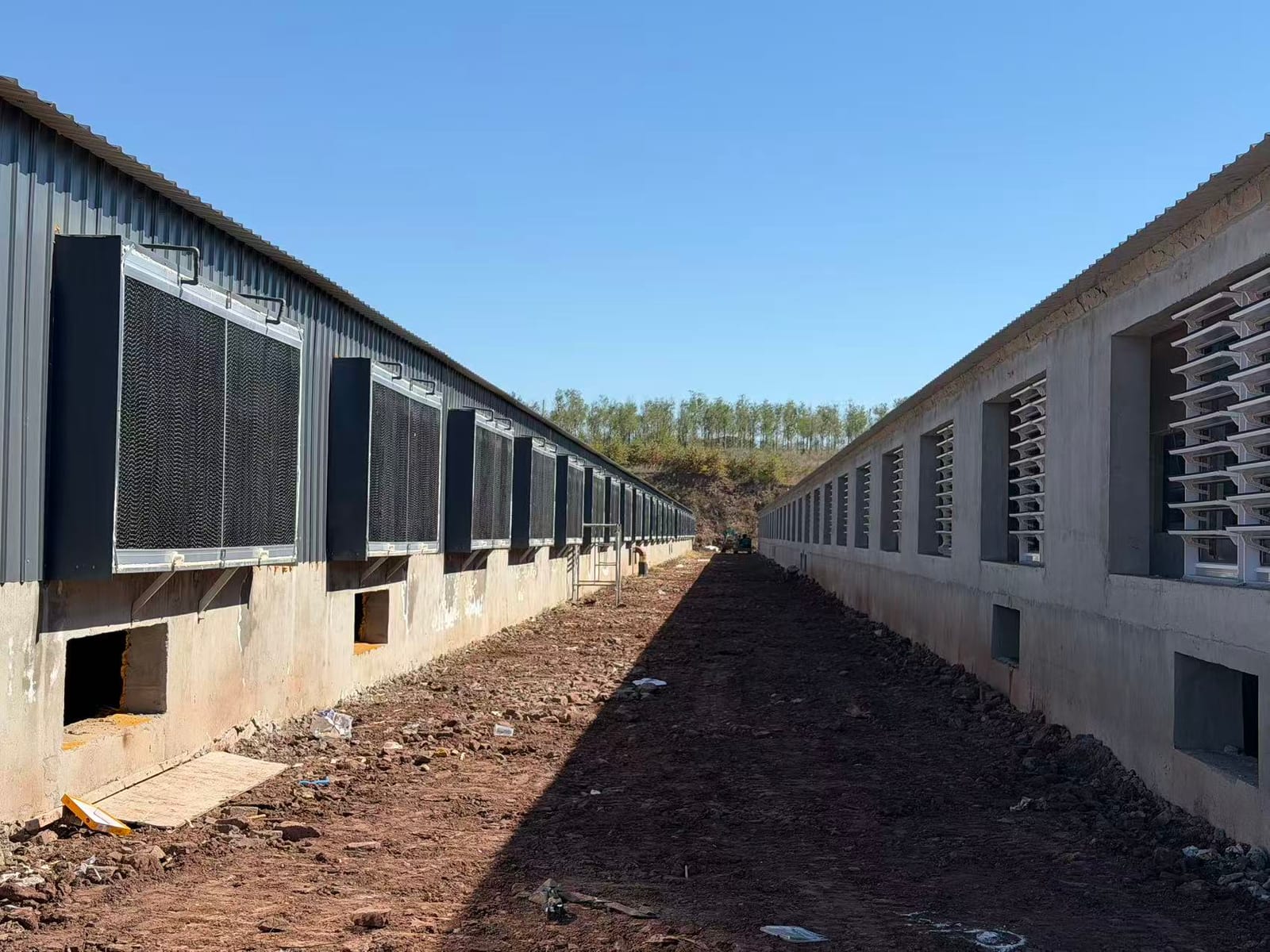
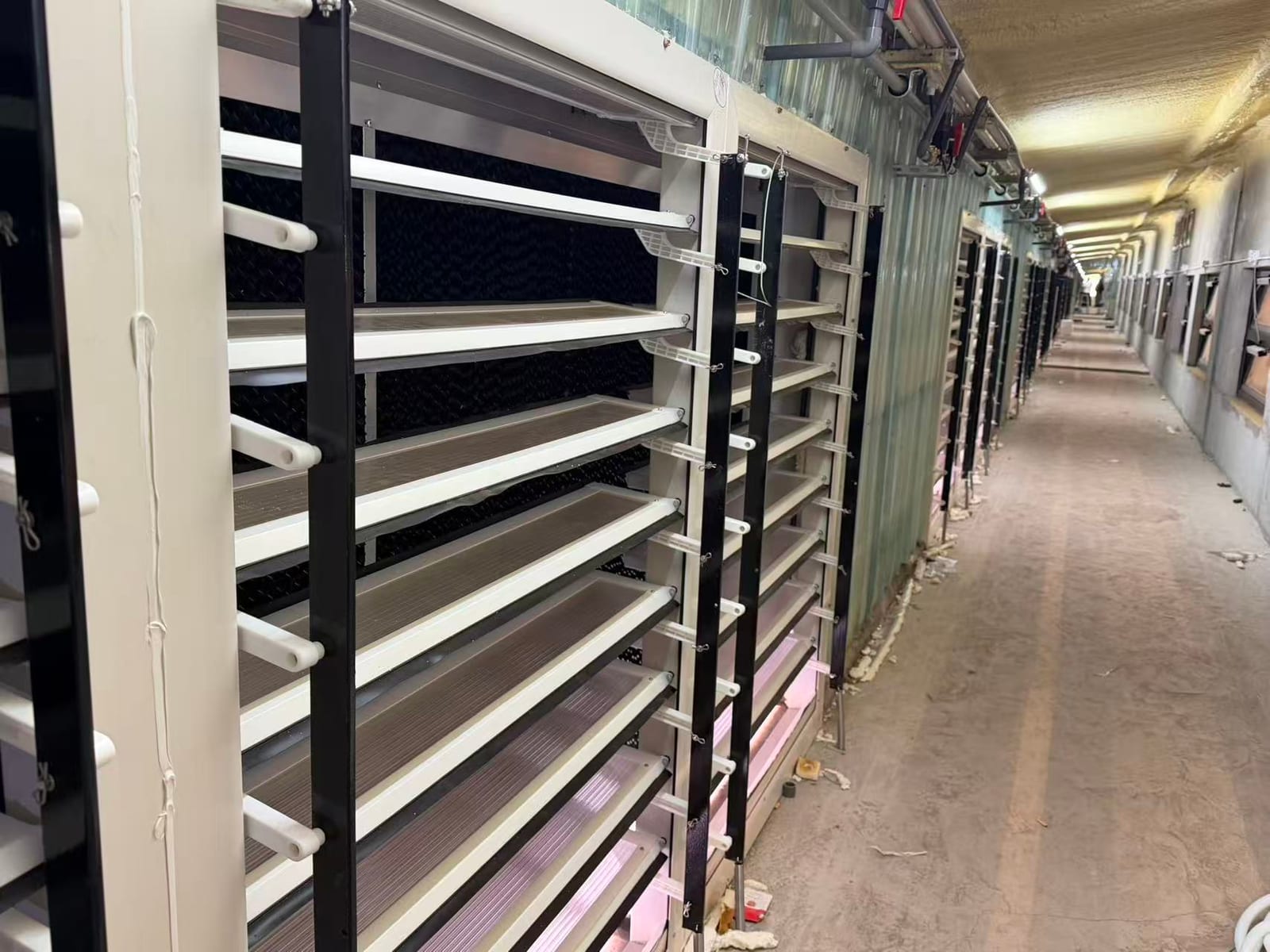
Photos from working poultry houses where HMY controllers, inlets, cooling and feeding equipment are installed and running.
Common questions.
Can the controller run both 50 Hz and 60 Hz?
50Hz is standard and 60Hz versions are available on request. Supply voltage depends on the model, so tell us your site voltage and frequency and we will confirm the controller and the motors.
Do you supply the whole house or only the controller?
Both. You can order a controller on its own, or the controllers, fans, cooling pads, inlets, silos, feeding lines, heating and accessories as one package.
Can you work from my building drawings?
Yes. Send the drawings or the house length, width and height, the number and target weight of the birds, and the local climate. We will recommend the fan count, fan positions and equipment list.
Send the house dimensions.
Tell us the house length, width and height, the number and target weight of the birds, and the local climate. We will recommend the fan count and equipment list.